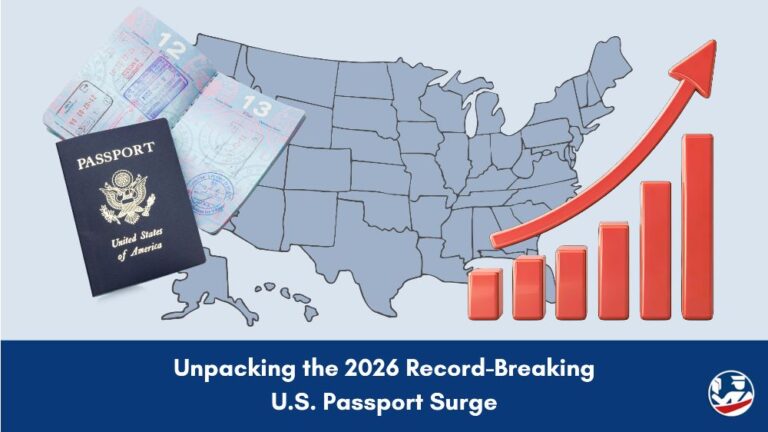
Travelers to Europe, take note: the European Union (EU) is raising the travel fee for the European Travel Information and Authorization System (ETIAS) from $8 to $24. This new fee, announced as part of the EU’s plan to enhance border security, will take effect by 2026.
Here’s everything you need to know about this update and how it will impact your travel plans.
What is ETIAS, and Why Does It Matter?
I covered this in my previous post here, but let’s recap:
The European Travel Information and Authorization System (ETIAS) is set to be introduced in 2026. Once operational, it will be a required travel authorization for U.S. citizens and other travelers from visa-exempt countries to enter the Schengen Area, which consists of 27 European countries. The ETIAS will enhance border security and streamline travel by screening travelers’ backgrounds to ensure they don’t pose any security or immigration risks.
Currently, ETIAS is still in its testing phase and is not yet available for use. Travelers cannot apply for ETIAS at this time, but it will be necessary to apply online once the system goes live in 2026. This process is designed to make travel to Europe easier and safer for millions of visitors annually.
Why the Increase?
As part of an effort to enhance the efficiency and security of the program, the EU has announced that this fee will be raised to €20 (approximately $24). The EU claims that the increased fee is necessary “to align with global travel standards and address rising operational costs.”
The increase will bring the ETIAS program in line with other travel authorization systems like the UK ETA and U.S. ESTA, both of which also have higher fees. The new fee will apply to non-EU nationals from visa-free countries like the United States, the United Kingdom, Canada, Japan, and others.
This increased fee will help cover the cost of new technical features, ongoing maintenance, and operational staffing. These upgrades include stronger encryption, better automation, and improved coordination with other EU systems such as the Entry/Exit System (EES).
The fee hike is also meant to fund the continued development of the digital infrastructure that supports the ETIAS system, improving security and making travel to the EU easier.
Who Will Be Affected?
While the fee increase will affect most travelers, there are exceptions.
The following will NOT be subject to the fee increase:
- Children under 18,
- Seniors over 70, and
- Certain family members of EU citizens.
However, for most travelers, the fee will now be €20, or about $24. For example, a family of four from the U.S., with all members over the age of 18, will now pay a total of $96.
When Will This Take Effect?
The new fee is set to take effect once ETIAS becomes fully operational, which is expected by the last quarter of 2026. This delay gives member states time to coordinate the implementation of the system. In the meantime, ETIAS remains in its testing phase, and travelers cannot apply yet.
Before the new price becomes law, the European Council and the European Parliament will have two months to review the proposal and may request changes or extend the review period.
What Can You Do Now?
If you’re planning a trip to Europe before ETIAS comes into effect, you do not need to worry about applying for this travel authorization. However, once the EU launches the ETIAS travel authorization system, be sure to apply early.
The application process will be simple, and it’s advisable to apply ahead of time to avoid any last-minute delays. See the “How to Apply for ETIAS Travel Authorization” section, and follow my instructions when the time comes.
Stay Informed and Apply Early
As the EU moves forward with this update to the ETIAS travel fee, stay informed about changes that may affect your travel plans. Stay tuned for further updates on this and other travel news, and when the ETIAS travel authorization launches, be sure to apply early to avoid any complications or delays during your future travels to Europe.
Safe travels, Laura