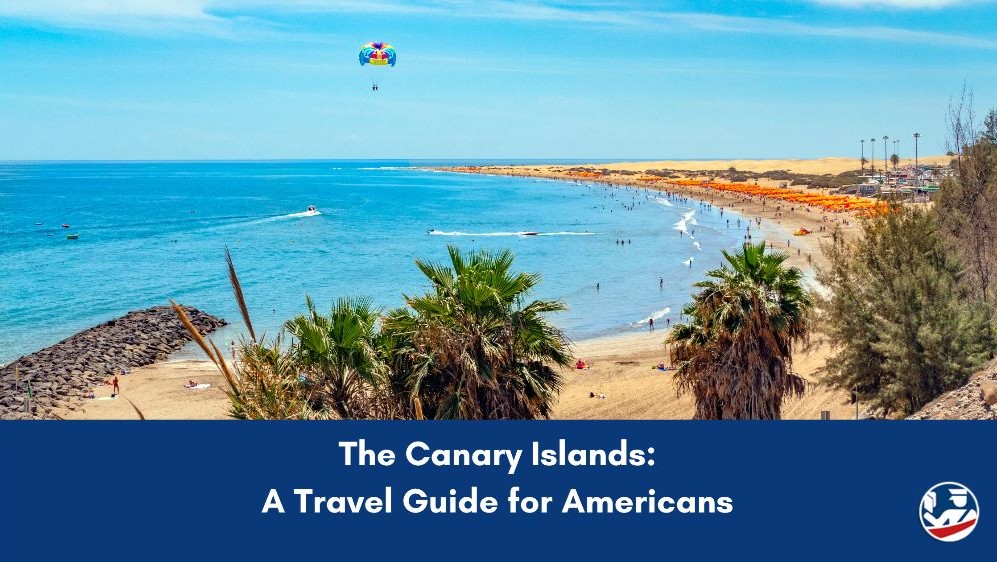
The Canary Islands are a Spanish archipelago located off the northwest coast of Africa, famous for their year-round sunshine, volcanic landscapes, and pristine beaches. The Canary Islands offer a mix of outdoor adventures, cultural experiences, and relaxing resorts.
Since the Canary Islands are part of Spain, travelers from the U.S. must follow Spain’s foreign entry requirements and Schengen Area regulations. This guide will walk you through everything American travelers need to know—from passport and visa requirements to top destinations, activities, and customs—so visitors can enjoy a relaxing, worry-free trip to the beautiful Canary Islands.
✈️ Need Your Passport Fast?
Traveling soon? Get your passport in as little as 24 hours with our trusted expedited service. Or choose Priority Service for delivery in just 7–9 business days — now with 15% off.
Canary Islands: Spain Entry Requirements for U.S. Citizens
The Canary Islands are part of Spain and, therefore, fall under Spain’s foreign entry requirements and the Schengen Area Agreement rules. U.S. citizens traveling to the Canary Islands should be aware of the following official entry requirements:
Visa Requirements
U.S. citizens are not required to obtain a visa to enter the Canary Islands for stays of up to 90 days for tourism or business purposes within 180 days. Within those 90 days, you are permitted to travel freely between the Canary Islands and other countries in the Schengen Zone (see here for a list of those countries).
Passport Validity
Your passport must be valid for at least three months beyond your planned departure from the Schengen Area. For added security, six months of validity is always highly recommended.
Travel Documentation to Carry
Spanish immigration officials may request the following travel documents when you enter:
- Onward or return ticket
- Proof of funds to cover your stay
- Hotel reservation or invitation if staying at a private residence
Overstaying
Exceeding your 90-day limit—or overstaying a visa—can result in fines, deportation, or jail. Make sure that you adhere to the 90-day visa-free guidelines, and plan your departure date accordingly.
Longer Stays (Over 90 Days)
American travelers planning to stay in the Canary Islands for more than 90 days or applying for residency must provide a criminal record check. This can be obtained from your state of residence (with an apostille) or from the FBI (also with an apostille from the State Department).
Minors Traveling Independently
Children traveling to the Canary Islands either without both parents or minors unaccompanied by an adult must have documented permission from their absent parent or guardian. Parents/legal guardians must complete a notarized Minor Travel Consent form.
Official Contact Information for the Canary Islands
Embassy of Spain in the U.S.
2375 Pennsylvania Ave NW
Washington, DC 20037
Tel: (202) 452-0100 / (202) 728-2340

What Americans Can Expect When Visiting the Canary Islands
The Canary Islands offer something for every traveler—from outdoor adventures and cultural experiences to world-class beaches and local cuisine. Here’s what you need to know to plan your visit and make the most of your time on these stunning islands.
When to Visit
The Canary Islands enjoy mild, sunny weather year-round, making them the perfect getaway any time of year.
- Winter (December–February): Warm temperatures and fewer crowds; an ideal time of year for escaping the colder climates of the U.S.
- Spring & Fall: Pleasant weather, optimal for outdoor activities: hiking, sightseeing, and open-air adventures.
- Summer (June–September): Hotter days, but the perfect season for kicking back, relaxing on the beach, and water sports.
Getting Around the Islands
Traveling between the islands and getting around locally is pretty simple:
- Inter-island flights: Quick and frequent, with several budget airlines connecting the islands.
- Ferries: A scenic alternative, especially for shorter routes like Tenerife–La Gomera.
- Rental Cars: Recommended for exploring beaches, mountains, and national parks.
- Public Transport: Buses are reliable on the main islands but may not reach remote areas.
Official Language and Local Customs
- Language: Spanish is the official language of the Canary Islands, and most signs and official information are in Spanish. That said, you can expect English to be spoken in tourist areas.
- Customs: Just a few helpful tips for Americans visiting the Canary Islands:
- Greet locals with a handshake or friendly “Hola.”
- Dress modestly when visiting churches or religious sites.
- Tipping is appreciated but not mandatory; around 5–10% is typical in restaurants.
Popular Islands and Must-See Attractions
The Canary Islands boast some of the most scenic landscapes in the world. Visitors can explore unique black sand beaches and crater lakes formed by ancient volcanic activity, alongside pristine white sandy shores, turquoise waters, sprawling cactus gardens, and vineyards producing the distinctive Malvasia grape wine.
Here are just a few of the most popular sites and experiences that tourists enjoy when they visit the Canary Islands:
- Tenerife: Home to Spain’s highest peak, Mount Teide, Tenerife offers a variety of volcanic landscapes, sandy white beaches, and all-inclusive resorts, like Costa Adeje and Playa de las Américas. Sites to see:
- Los Roques de García in Mount Teide National Park (UNESCO site)
- Monkey Park Tenerife
- Playa de Las Teresitas
- Auditorio de Tenerife
- La Laguna
- Gran Canaria: Known for its sand dunes, mountains, and historic Las Palmas, Gran Canaria blends adventure with culture. Highlights:
- Maspalomas sand dunes
- Vegueta in Las Palmas
- Mercado del Puerto
- Jardín Botánico Canario Viera y Clavijo
- LagOmar
- Lanzarote: A unique volcanic landscape, Lanzarote draws visitors with Timanfaya National Park, distinctive architecture, and famous Malvasia vineyards. Top attractions:
- Timanfaya National Park (volcanic landscapes)
- Playa de Famara
- El Golfo
- Playa Blanca
- La Geria vineyards and wine tours
- Fuerteventura: Famed for long stretches of sandy beach and water sports, Fuerteventura is a paradise for sunbathers and adventure-seekers alike. Places to Explore:
- Betancuria
- Oasis Park Fuerteventura
- Antigua
- Majanicho
- El Cotillo
- Other Islands to Visit:
- La Palma: Ideal for hiking and stargazing, La Palma is known for its lush forests, steep cliffs, and dramatic views.
- Lobos Island: Once home to monk seals, Lobos Island is a protected nature reserve where visitors can enjoy hiking paths, abundant wildlife, and visit the Punta Martiño Lighthouse
- La Gomera: A tranquil island with scenic nature trails and traditional villages, perfect for nature lovers.
- El Hierro: Remote and untouched, El Hierro offers travelers ocean diving, hiking, and a peaceful escape from the crowds.

Canary Islands’ Culinary Scene
The Canary Islands have a distinct cuisine influenced by Spanish and African flavors. Some of the most popular local dishes you must try are:
- Papas arrugadas with mojo sauce: Tiny, salt-crusted “wrinkled” potatoes served with savory red or green mojo sauces—spicy, garlicky, and utterly addictive. Perfect as a snack or side with any meal.
- Fresh seafood: You can’t get any fresher seafood than from the Canary Islands’ coastal waters. From tender octopus to perfectly grilled fish and crispy calamari, you’ll want to try it all!
- Gofio: A traditional Canarian staple made from toasted flour, often turned into hearty porridges, breads, or desserts—nutty, earthy, and surprisingly versatile.
- Local wines, especially from Lanzarote: Crisp, volcanic-soil wines from Lanzarote are unlike anything else—full of character, with unique mineral notes that pair beautifully with island cuisine.
- Canarian rum and tropical fruit juices: Sip on smooth, locally distilled rum or refreshing tropical fruit juices—perfect for cocktails on the beach or a sunset toast overlooking ocean views.
Pro Tip: Eating out in the Canary Islands is generally casual but always enjoyable—don’t miss tasting local tapas and stopping by small, family-run restaurants.

Festivals and Cultural Events on the Canary Islands
The Canary Islands are rich in island culture with Spanish and African influences. There is almost always a festival or celebration happening somewhere on the islands. Whether you’re into music, dance, food, or traditional rituals, there’s something for every traveler to experience.
- Carnival of Santa Cruz de Tenerife (February/March): One of the world’s largest and liveliest carnivals, this celebration rivals Rio’s famous carnival. Expect colorful parades, elaborate costumes, live music, street dancing, and plenty of local food. It’s a feast for the senses and a must-see if you visit during carnival season.
- Fiestas de San Juan (June): Celebrated on the summer solstice, this festival combines bonfires, fireworks, and beach parties. Locals and tourists alike jump over fires for good luck, and the nights are filled with music, dance, and festive food stalls.
- Romerías (throughout the year): Traditional pilgrimages honoring patron saints, where locals dress in folk costumes, carry decorated carts, and celebrate with music, dance, and regional food. Attending a romería gives travelers a genuine taste of Canarian culture.
- Music Festivals (throughout the year): The islands host a variety of music events year-round, including the Tenerife Opera Festival, the Fuerteventura Jazz Festival, and classical concerts in La Palma’s historic venues.
Pro Tip: Many festivals include local food, drink, and crafts—perfect opportunities to pair sightseeing with tasting and shopping experiences. Check local calendars before traveling to catch events that match your interests.
Travel Tips for Americans Visiting the Canary Islands
- Passport reminder: Check validity at least three months beyond your return date.
- Currency: Euro; credit cards are widely accepted, but carry cash for small purchases.
- SIM cards & Wi-Fi: Available at airports and many hotels; check roaming plans before leaving the U.S.
- Safety & Health: The islands are generally safe. Travel insurance is recommended for medical coverage.
- Packing tips: Lightweight clothing for daytime, a light jacket for evenings, and sturdy shoes for hiking.

Key Takeaways
- Visa-Free Travel for Short Stays: U.S. citizens can stay in the Canary Islands for up to 90 days without a visa for tourism or business purposes.
- Follow the 3-month validity rule: Make sure your passport is valid at least three months beyond your planned stay (six months recommended).
- Top Destinations: Tenerife, Gran Canaria, Lanzarote, Fuerteventura, La Palma, La Gomera, and El Hierro each offer unique landscapes, activities, and cultural experiences.
- Language & Customs: Spanish is the official language, with English widely spoken in tourist areas.
- ProTips: Ensure your passport is valid, carry some cash in euros, consider travel insurance, and pack for both warm days and cooler evenings.
Your Canary Islands adventure is calling—but only if your passport is ready. If it’s expired or about to, don’t stress. Use an expedited passport service to get it quickly and skip the last-minute panic, so all you have to worry about is which beach you’ll hit first.
Safe travels,
Laura